Ayurvedic Treatment For ADHD
Attention deficit/hyperactivity disorder (ADHD) is a behavioural disorder of children. It is the
most common neurological disorder of childhood. A kid with ADHD has differences in brain
development and brain activity that affect attention, the ability to sit still, poor impulse control
and self-control and as well as motor over activity and motor restlessness. ADHD can affect
a child at school, at home, and in friendships.
Kids with ADHD may have signs from one, two, or all three of these categories: Inattentive. Kids who are inattentive (easily distracted) have trouble focusing their
attention, concentrating, and staying on task. They may not listen well to directions,
may miss important details, and may not finish what they start. They may daydream
or dawdle too much. They may seem absent-minded or forgetful, and lose track of
their things. Hyperactive Kids who are hyperactive are fidgety, restless, and easily bored. They
may have trouble sitting still, or staying quiet when needed. They may rush through
things and make careless mistakes. They may climb, jump, or roughhouse when
they shouldn’t. Without meaning to, they may act in ways that disrupt others Impulsive. Kids who are impulsive act too quickly before thinking. They often
interrupt, might push or grab, and find it hard to wait. They may do things without
asking for permission, take things that aren’t theirs, or act in ways that are risky.
They may have emotional reactions that seem too intense for the situation.
Sometimes parents and teachers notice signs of ADHD when a child is very young. But it’s
normal for little kids to be distractible, restless, impatient, or impulsive — these things don’t
always mean that a child has ADHD.
How Is ADHD Treated?
Treatment for ADHD usually includes: Behavior therapy. Therapists can help kids develop the social, emotional, and
planning skills that are lagging with ADHD. Parent coaching. Through coaching, parents learn the best ways to respond to
behavior difficulties that are part of ADHD. School support. Teachers can help kids with ADHD do well and enjoy school more.
Ayurvedic treatmrnt for ADHD :
- The Kapha Vata Shamaka effect of drugs may help in breaking
the Srotorodha and digestion of Ama that leads to the proper
functioning of systems of the body and brain. Kapha Shamaka drugs
have properties that are opposite to that of Tama Dosa, which may
help in dispelling the Avarana and normalizing Tama Dohsa, thereby
maintaining the equilibrium of Triguna and the proper functioning
of Mana, Chitta and Buddhi. The Tridosha Shamaka effect of drugs
brings about homeostasis
in Tridosa and Triguna as Vata and Mana interrelated with each other
because Vata is responsible for vitiation of Sharirika as well Manasika
Dosha and produce disease. Thus, these drugs regularize the
functioning of Mana, Sharira, and Manasika Dosha, Dhi, Dhriti, and Smriti that are primitive seat of pathology in the treatment of
ADHD. Bramhi,Ashwagandha ,shatavari,Tagar,Jivaneey gan Dravya
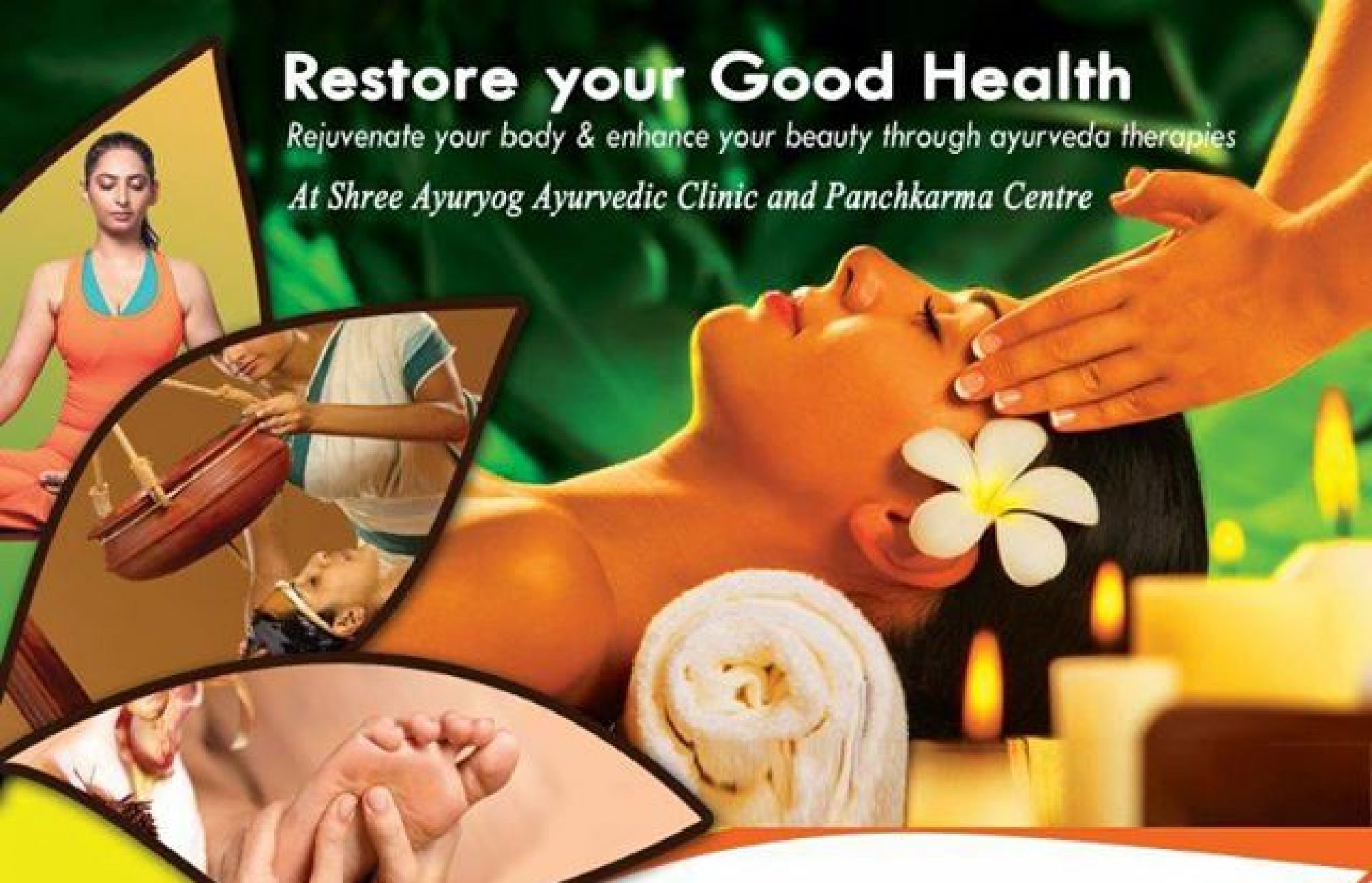
gives good result in ADHD. - Shirodhara : Shirodhara will be more beneficial to pacify the Vata
Dosha and supports the Manas to regulate the mental activities, and
thus in this study an effort was made to reduce the symptoms of ADHD
through Shirodhara especially Takra processed with Medhya drugs
(Brahmi, Jatamamsi, Vacha, and Ashwagandha) was used. The important
areas of the brain, centre for judgment, centre for intellect, centre for
speech etc are situated in frontal area, with Takradhara relaxation of
the frontalis muscle occurs, tends to normalize the activities of the
entire body, improve cerebral functions through increased cerebral
blood flow, enhances concentration abilities and decrease in activity of
sympathetic nervous system thus lowering the hyperactivity and
impulsive behavior found in ADHD children. Thus relaxing mind and
body. Shirodhara may help to stimulate many vital areas like Sthapani
Marma and Agna Chakra, which are seated in Bhrumadhya and are
sthana of Manas. Slight stimulation of these spots may have beneficial
effect on the mind and body, due to their connection with higher
centers of brain. - Yoga : Yoga teaches individuals to master certain poses and breathing
techniques which may promote self-control, attention, awareness and
adaptive skills. Yoga has been used as a form of exercise and
meditation. It has been currently studied as therapy for the treatment
of stress, chronic pain, asthma, irritable bowel syndrome, and ADHD. Yoga has various components to unite the body, mind and spirit. It is
comprised of the asanas (physical postures), pranayamas (breathing
techniques), and dharana/dhyana (meditation practices) . The goal
of these components is to connect the breathing, thoughts, emotions,
and body into awareness of the present moment. The conditions
affected by yoga included emotional, mental and behavioral health.
The studies reviewed showed significant decreases among children
practicing yoga in a variety of measures such as: negative stress
response behaviors, total mood disturbance, negative affect, anger,
resilience, and fatigue/inertia - Dr Aparna Jojare( Ayurvedacharya and yoga therapist)
- shree Ayuryog Ayurvedic clinic and panchkarma centre, Kothrud, pune 411038

